
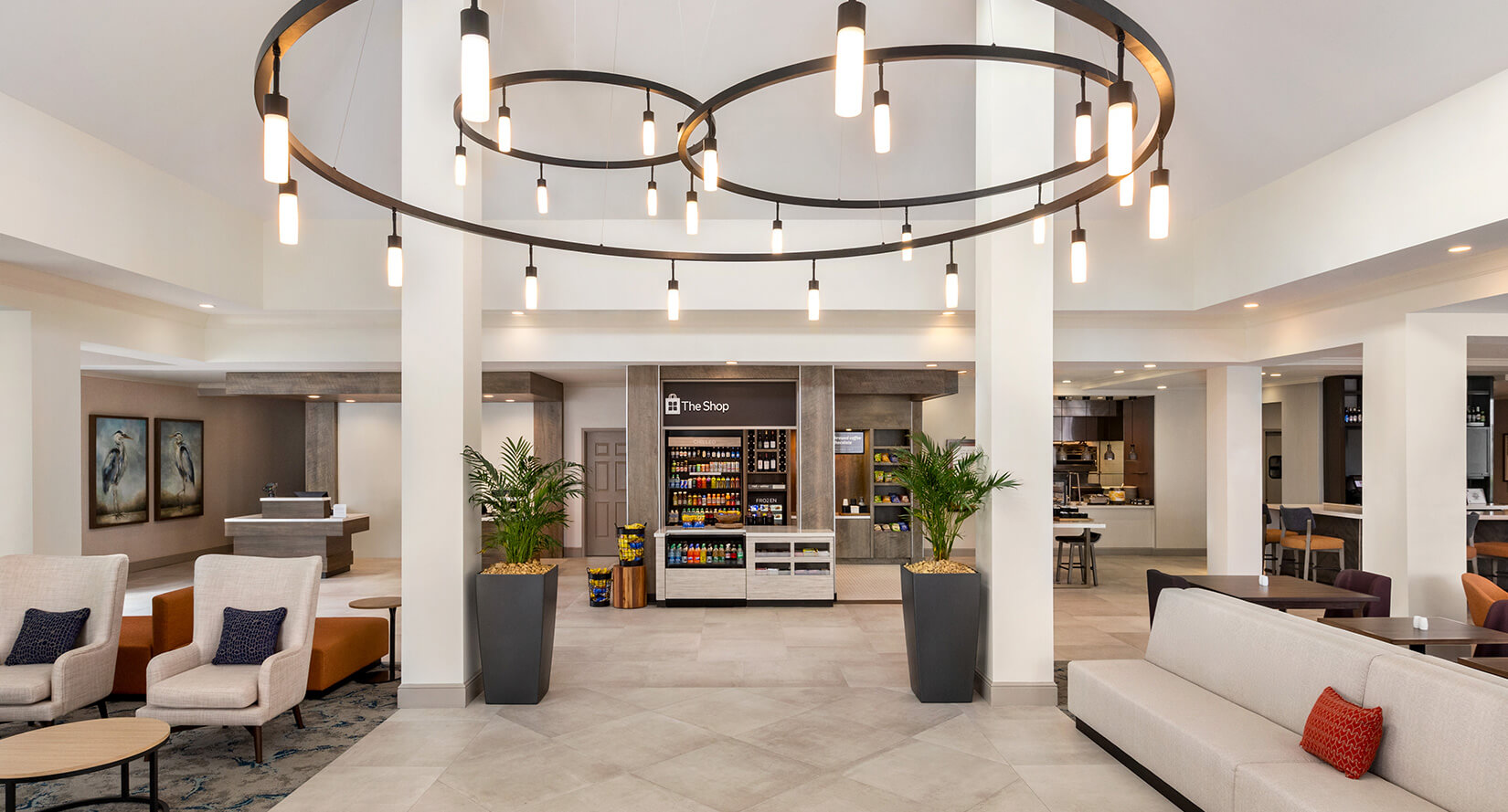
Walk into any well-maintained hotel, and it’s easy to see when a property feels fresh, modern, and aligned with its brand. But behind every crisp lobby design or updated guestroom is careful planning, and a cycle of renovations that keeps hotels competitive, compliant, and profitable.
If you’ve ever wondered how often hotels renovate, the answer depends on several factors: brand requirements, property age, market competition, and budget. However, across the hospitality industry, one thing remains consistent: renovation isn’t optional. It’s part of the life cycle of every successful hotel.
The Typical Hotel Renovation Timeline
Most hotels follow a predictable pattern for updates, often guided by their brand’s Property Improvement Plan (PIP). While timelines vary, these general cycles apply to most properties:
- Soft goods renovations: Every 5–7 years
- Full renovations (hard goods): Every 10–12 years
- Major brand conversions or repositioning: Every 15–20 years
These milestones aren’t arbitrary. They reflect how quickly guest expectations, design trends, and building materials evolve, as well as how franchise brands maintain consistency across their portfolios.
1. Soft Goods Renovations (Every 5–7 Years)
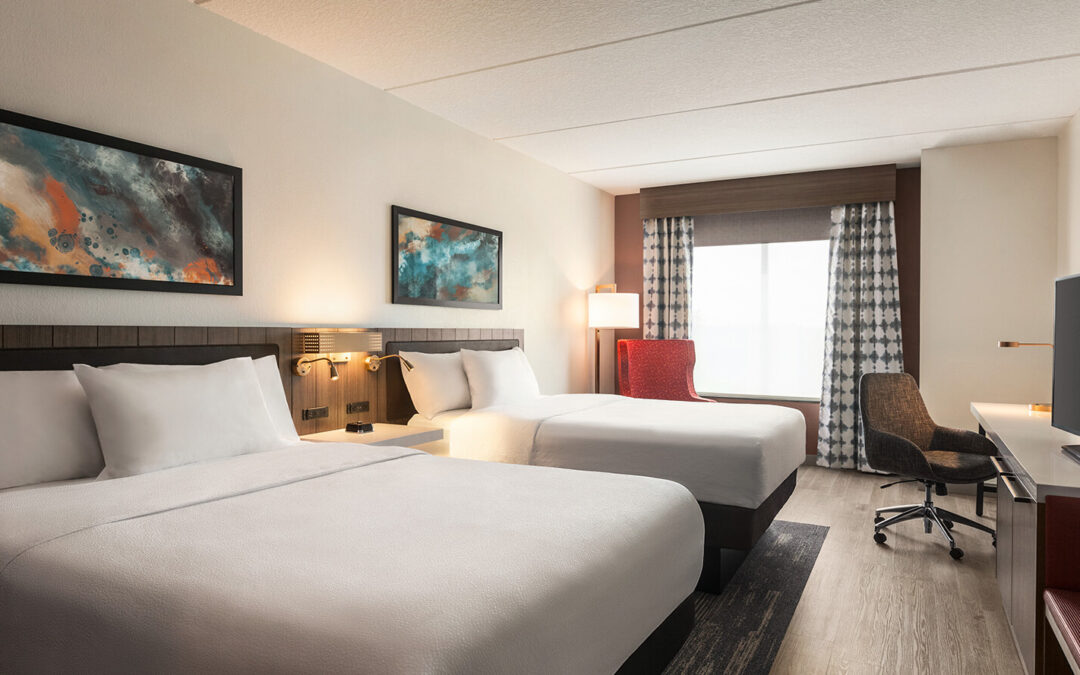
Soft goods refer to the easily replaceable finishes that guests interact with most often: carpet, drapery, bedding, furniture fabrics, paint, and lighting. These materials show wear over time, especially in high-traffic areas like guestrooms and corridors.
Common soft goods updates include:
- New carpet and wall coverings
- Fresh paint and trim
- Updated bedding, window treatments, and upholstery
- Refreshed lighting and décor accents
Brands typically require soft goods updates every five to seven years to keep interiors looking modern and aligned with brand standards. This phase is often the most visible to guests, and one of the most cost-effective ways to refresh a hotel’s look and feel.
2. Full Renovations (Every 7–12 Years)
After about a decade, hotels begin to show deeper signs of age, such as dated case goods, aging bathrooms, and mechanical wear. This phase is known as a “hard goods” renovation, which includes more extensive construction work.
Typical upgrades include:
- Case good and millwork replacement
- New bathroom fixtures, vanities, and tile
- Flooring and subfloor replacement
- Lobby, front desk, and public area remodels
- Exterior improvements such as EIFS repair, windows, and signage
Full renovations often coincide with brand updates or new PIP requirements, making it a strategic time to combine design upgrades with operational improvements such as energy-efficient windows or better HVAC systems.
Amerail Systems frequently assists hotel owners during this phase, offering design-build renovation services that streamline timelines, control costs, and ensure brand compliance from start to finish.
3. Brand Conversions or Repositioning (Every 15–20 Years)
At around the 15-to-20-year mark, many hotels consider a brand conversion or reflagging, changing from one franchise to another, or upgrading to a higher service tier. This is a major milestone in a hotel’s life cycle and typically requires a top-to-bottom renovation to meet new brand specifications.
Brand conversion renovations may include:
- Full exterior reimaging (façade, paint, signage, porte cochere)
- Guestroom and corridor reconfigurations
- Lobby redesigns and FF&E replacement
- Energy-efficient window and lighting upgrades
- ADA compliance improvements
Conversions allow owners to reposition their property in the market, attract new demographics, and often command higher average daily rates (ADR). With over 40 years of experience, Amerail Systems specializes in brand conversion projects, helping owners navigate franchise requirements, budget challenges, and construction timelines with confidence.
How Brand Standards Influence Hotel Renovation Timing
Each major hotel brand, Hilton, Marriott, IHG, Wyndham, Choice, and others, maintains its own brand standard cycle. When properties fall behind, the franchisor issues a PIP outlining required updates and deadlines for completion.
PIPs may be triggered by:
- Franchise renewal or change in ownership
- Brand-wide design updates
- Declining property condition or guest satisfaction scores
- Competitive benchmarking
Ignoring or delaying PIP fulfillment can lead to penalties, loss of flag, or reduced brand support. That’s why working with an experienced hotel renovation company like Amerail Systems is crucial. Our team reviews, interprets, and executes PIPs efficiently, keeping projects compliant, cost-effective, and on schedule.
Guest Expectations Drive Renovation Frequency
Even without brand requirements, guest expectations alone often dictate when it’s time to renovate. Modern travelers notice the details: outdated décor, worn finishes, or malfunctioning fixtures can quickly influence reviews and repeat bookings.
Renovations don’t just improve appearance. They elevate comfort, functionality, and overall guest satisfaction. Updating your property proactively ensures you’re not reacting to declining performance, but leading it.
Planning Ahead for the Next Renovation Cycle
Renovations can be complex, but a proactive plan helps minimize disruptions and control costs. Property managers can stay ahead of the cycle by following these strategies:
1. Track Asset Conditions
Maintain an up-to-date record of finishes, FF&E, and mechanical systems. Knowing when items were installed helps forecast when replacements will be due.
2. Budget for Continuous Improvement
Set aside a capital reserve fund (typically 3–5% of annual revenue) to cover recurring upgrades and PIP requirements. This prevents financial strain when the next renovation cycle begins.
3. Schedule Work During Off-Peak Seasons
Plan major renovations for lower occupancy periods to minimize guest disruption and maximize efficiency.
4. Use a Phased Construction Approach
Work floor-by-floor or section-by-section to keep your hotel operational throughout the renovation.
5. Partner With a Design-Build Contractor
A design-build renovation company like Amerail Systems can shorten project timelines by managing design, budgeting, and construction under one contract, ensuring seamless coordination and single-source accountability.
How Amerail Systems Helps Hotels Stay on Schedule
With more than four decades in hospitality construction, Amerail Systems has helped hotel owners navigate every stage of the renovation cycle. Our services include:
- PIP Fulfillment & Brand Compliance: Full-service review, planning, and execution aligned with franchise standards.
- Design-Build Renovation Services: Integrated design, value engineering, and construction for faster project delivery.
- Hotel Repair & Maintenance: EIFS repair, window replacement, and structural restoration to protect your asset.
- Exterior & Interior Upgrades: Guest-sensitive renovations that enhance appearance without disrupting operations.
No matter the phase, whether it’s soft goods, full renovation, or brand conversion, Amerail Systems delivers projects that stay on time, on budget, and on brand.
Renovation Is a Cycle, Not a One-Time Event
So, how often do hotels renovate? Most properties refresh every five to seven years and undergo major overhauls every decade, but the best hotels treat renovation as an ongoing investment, not a deadline.
Regular updates keep guests returning, maintain brand loyalty, and protect your property’s value long-term. At Amerail Systems, we help hotels across the U.S. plan, execute, and complete renovations that do more than meet brand standards. They WOW your guests and elevate your property’s future. Contact us today to get started.


0 Comments